
PP Bag Printing Machine
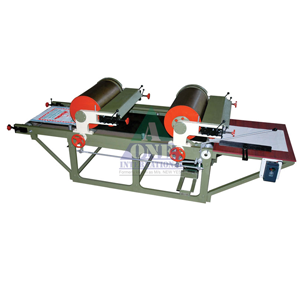
PP Bag Printing Machine: High-Quality Printing for Polypropylene Bags
A PP bag printing machine is built to print sharp logos, product details and safety information on polypropylene woven and non-woven bags.
Using flexographic printing technology, it delivers fast, consistent results on PP substrates that are widely used in agriculture, construction, food grains and retail.
What Is a PP Bag Printing Machine?
A PP bag printing machine is a specialized press designed for printing on polypropylene bags, especially PP woven sacks used for bulk products.
It manages bag feeding, web tension and registration so that every impression lands in the right place, even at high speeds.
Most PP bag printing machines are flexographic, using flexible printing plates and engraved anilox rolls to transfer a controlled film of ink onto the PP surface.
This combination keeps text, barcodes and graphics clean while optimising ink usage and drying time.
How a PP Bag Printing Machine Works
In a typical bag-to-bag configuration, the PP bag printing machine feeds individual bags into the press, aligns them with side and front guides, prints one or more colours, dries the ink and then stacks or conveys the printed bags.
This setup suits operations that already have separate PP bag making and stitching equipment.
In roll-to-roll mode, a PP woven fabric web runs through the machine, is printed and then rewound for later cutting and bag conversion.
This configuration is ideal for large-scale production where stable tension and registration over long runs are essential.
Throughout either process, the PP bag printing machine keeps the substrate under controlled tension and uses registration controls to synchronise each colour.
As a result, multi-colour artwork and fine details stay sharp and correctly positioned across the entire batch.
Why a PP Bag Printing Machine Matters
Polypropylene bags are used for products such as grains, sugar, fertilisers, cement, animal feed and consumer goods, so packaging needs to be both strong and informative.
A PP bag printing machine produces prints that can withstand handling, stacking and transport without fading or smudging.
Clear printing on PP bags supports brand recognition and helps customers and inspectors quickly identify product type, weight, batch, safety icons and usage instructions.
Consistent, professional printing is especially important for export markets and organised retail, where packaging standards are closely scrutinised.
Key Features of a PP Bag Printing Machine
The right PP bag printing machine balances print quality, speed and flexibility for different bag types and sizes.
When evaluating machines, focus on features that directly affect your day-to-day production.
|
|
|
|
|
Advanced PP bag printing machines may also include variable speed drives, PLC-based controls, ink circulation pumps, efficient drying modules and automatic counting.
These additions help maintain consistent colour, reduce waste and give you better data on real production capacity.
Business Benefits of a PP Bag Printing Machine
For converters and packaging manufacturers, a PP bag printing machine increases throughput and cuts down on manual rework.
Once a job is set up, it can run large batches of PP bags with consistent print density and registration, lowering the cost per printed bag.
For brand owners, the machine ensures that every polypropylene bag carries the same strong visual identity and accurate information.
That consistency builds trust with distributors and end customers, supports compliance, and helps your products stand out in busy wholesale and retail environments.
Choosing the Right PP Bag Printing Machine
Choosing the best PP bag printing machine starts with understanding your bag sizes, artwork complexity, run lengths and target production speeds.
Decide whether bag-to-bag or roll-to-roll printing fits better with your existing PP bag making and stitching lines, and how many colours you truly need for current and future designs.
By aligning these needs with a PP bag printing machine purpose-built for polypropylene packaging, you turn printing from a bottleneck into a strategic asset.
With the right machine in place, every PP bag becomes a durable, high-impact carrier for your product and your brand.